Do Speed Cameras Reduce Speeding?
WEBINAR: July 29, 2026, 11:00AM - 12:00PM PT [CLOSED]
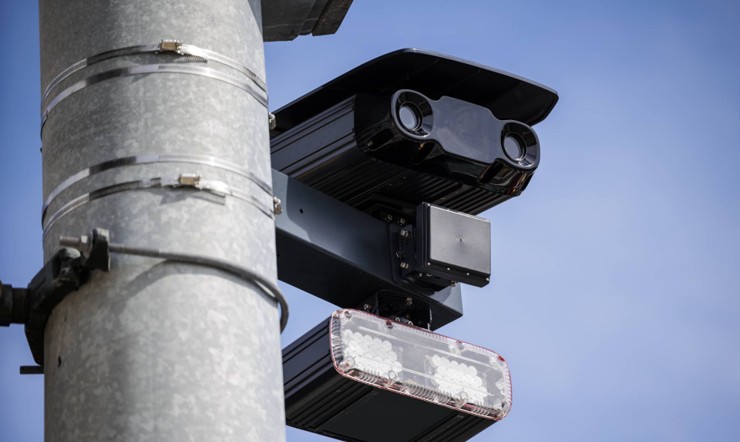
Does California’s First Speed Camera Installation in San Francisco Reduce Speeding? A Quasi-Experimental Analysis evaluates the effectiveness of California's first speed camera implementation using a quasi-experimental design based on telematics data.
San Francisco became the first of six cities in California to pilot speed cameras in 2025 following the passage of State Assembly Bill 645, and the performance of its program has policy implications for the potential broader rollout of speed cameras across the state. This San Francisco pilot involved installing 56 cameras at 33 high-risk locations.
Using a "quasi-experimental" design that leveraged data from SFMTA citations and INRIX data on vehicle speed and volume, the study team found that the cameras successfully reduced speeding compared to selected control locations after adjusting for fixed effects.
The preliminary findings indicate that most speed-related behavior change occurred during the initial warning period, with evidence of sustained change throughout the citation period. In addition, the cameras appear to be more effective on higher speed roads.
Notably, speed reductions occurred at both treatment and control sites, suggesting a potential citywide impact from a limited application of automated enforcement.
This Event is Closed
Who is CPBS?
The Center for Pedestrian & Bicyclist Safety (CPBS) is a Tier-1 University Transportation Center (UTC) funded by the USDOT.
CPBS conducts high-impact engineering research, trains future transportation professionals, and builds community tools aimed at eliminating traffic fatalities for vulnerable road users.
-0.png)