Increasing Asphalt Recycling
Increasing Asphalt Recycling to Reduce Paving Costs, Improve Pavement Longevity, & Reduce Environmental Impact addresses the concerns of using recycled asphalt pavements (RAP) through comprehensive experimental and analytical work, including the evaluation of performance, cost, and environmental benefits.
Recycling highway construction materials and minimizing the use of virgin materials can reduce pavement life cycle costs, improve highway network conditions, conserve natural resources, and protect the environment. Although using RAP is beneficial in many aspects, aged binder in RAP gives rise to failure under repeated high axle loads and thermal effects.
In many states, the use of RAP is currently limited to about 30% by mix weight. For asphalt mixtures with a higher percentage of RAP, various strategic measures have been developed, including increased binder content, binder grade bumping, rejuvenators, and warm-mix asphalt (WMA) additives.
However, selecting the most effective rejuvenators and WMA technology, developing methods and guidelines for choosing the proper amount of additives, and ensuring appropriate mixing to achieve high RAP mixes without compromising the performance of the asphalt pavements is crucial.
Results of the analysis indicate that the performance of RAP mixtures depends on binder content, RAP content, and binder grade. Considering all aspects, the appropriate selection of a strategic technique could enable a 10% higher RAP, ensuring adequate performance while lowering economic and environmental burdens.
What is RAP?
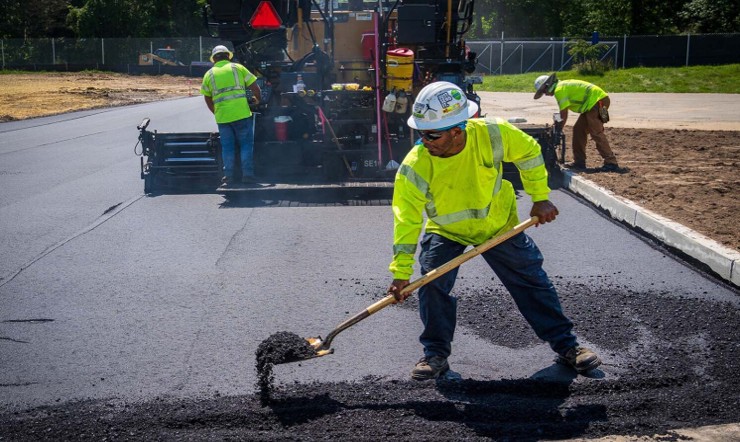
Reclaimed or recycled asphalt pavement is a processed, reusable material containing high-quality aggregates and aged asphalt binder obtained by milling or breaking up old roadways.
It is widely used to build durable driveways, parking lots, and new asphalt mixes while reducing landfill waste and reliance on raw materials.